
Government Recognized Paramedical Certificate – Pursuing a career in the paramedical field is an excellent choice for students and professionals interested in healthcare but not necessarily in becoming doctors or nurses. India offers various government-recognized paramedical courses that equip students with practical skills and theoretical knowledge required for different medical services. These courses range from basic certificates to advanced diplomas in areas such as medical laboratory technology, radiology, physiotherapy, emergency medical services, and more. Getting a government-recognized certificate not only enhances credibility but also increases employability in hospitals, clinics, and diagnostic centers across India. Most courses are structured to provide hands-on training, including internships in medical facilities, which ensures real-world exposure. With growing demand for paramedical professionals, pursuing a recognized certificate can open doors to stable career opportunities, higher salaries, and even government job prospects. Additionally, these courses are often offered by reputed institutions affiliated with health universities or approved by state health departments, guaranteeing a high standard of education.
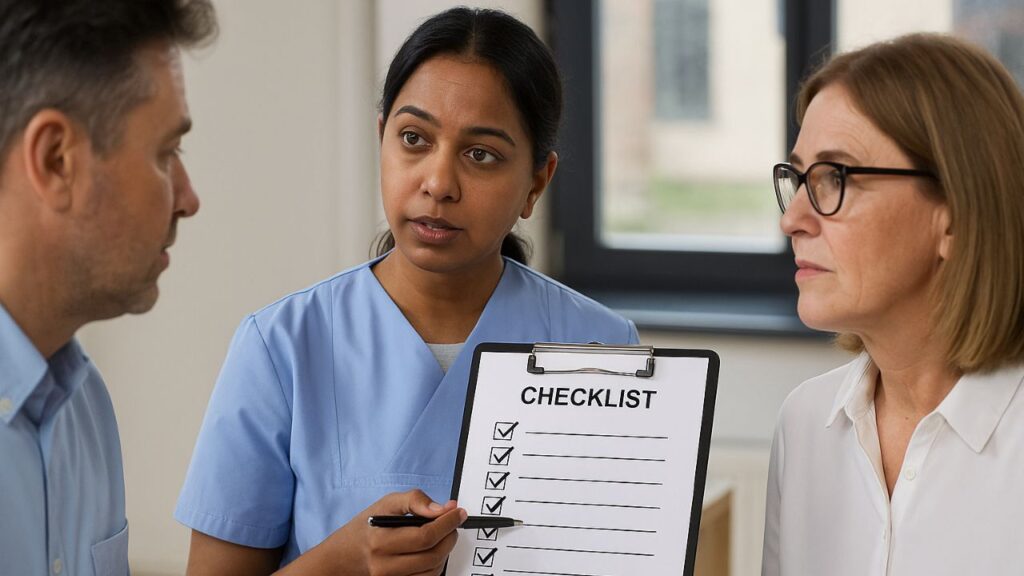
 Checklist for Paramedical Colleges Seeking Approval or Recognition in 2025–26 Academic Year
Eligibility Criteria for Paramedical Courses in India
To enroll in a government-recognized paramedical certificate course, candidates must meet specific eligibility criteria set by regulatory authorities. Generally, applicants should have completed their 10+2 education with science subjects such as Physics, Chemistry, and Biology. Some institutions may accept students from vocational backgrounds or those with diploma qualifications in related fields. Age limits vary depending on the course, but most programs accept candidates between 17 and 35 years of age. In addition to academic qualifications, some institutes may conduct entrance exams or personal interviews to assess the candidate’s aptitude for paramedical training. It is essential to check the specific eligibility requirements for each institution and course, as they may differ slightly based on state regulations or university guidelines. Meeting these requirements ensures that students are well-prepared for the rigorous practical and theoretical training involved in paramedical studies. Candidates who fulfill these criteria can proceed to submit their applications through either online portals or offline admission procedures, depending on the college.
Steps to Obtain a Government-Recognized Paramedical Certificate
Obtaining a government-recognized paramedical certificate involves several structured steps. First, candidates must identify an approved college or training institute that offers the desired course. Once selected, students must fill out the admission form and submit relevant academic documents, such as 10+2 marksheets, identity proofs, and photographs. After verification, students may be required to appear for an entrance test or interview in some cases. Upon successful admission, the candidate attends a structured curriculum that includes both classroom lectures and practical sessions in labs, hospitals, or clinics. After completing the course, students undergo a final assessment, which may include written exams, practical evaluations, or both. Upon successful completion, the institute issues a government-recognized certificate, approved by the relevant health university or state authority. This certificate serves as official proof of qualification, allowing graduates to seek employment in hospitals, laboratories, diagnostic centers, and other healthcare facilities. Some courses also provide pathways for higher studies or specialization in paramedical fields.

Top Institutions Offering Paramedical Certificates in India
India has a variety of reputed institutions offering government-recognized paramedical certificate programs. Institutions such as All India Institute of Medical Sciences (AIIMS), Indian Red Cross Society, and state government-affiliated medical colleges provide well-structured training programs. Private institutes with proper government approvals, such as Apollo College of Nursing and Medicos Paramedical Institutes, also offer high-quality courses. These institutions often provide modern laboratories, simulation centers, and hospital tie-ups for practical exposure. Additionally, they follow standardized curricula approved by state health departments or central regulatory authorities, ensuring consistency in education quality. When selecting an institution, candidates should verify its recognition status, course content, fee structure, placement opportunities, and internship facilities. Attending a recognized institute significantly boosts a candidate’s chances of employment in government hospitals, private clinics, or research centers, making the decision of choosing the right college crucial for a successful paramedical career.

Career Opportunities After Obtaining a Paramedical Certificate
A government-recognized paramedical certificate opens a wide range of career opportunities in healthcare. Graduates can work as laboratory technicians, radiology technicians, physiotherapists, emergency medical technicians, and more. Employment is available in government hospitals, private clinics, diagnostic centers, blood banks, and rehabilitation centers. Many candidates also choose to pursue higher education, such as diplomas or degree programs in specialized paramedical fields, which can lead to better positions and higher salaries. Furthermore, with the rise in healthcare demand across India, experienced paramedical professionals are increasingly valued for their technical skills and patient care expertise. Some individuals also venture into freelance or consultancy roles, providing services to hospitals or wellness centers. Overall, completing a government-recognized paramedical certificate ensures a solid foundation for a sustainable and rewarding career in the healthcare industry, offering growth, stability, and the opportunity to contribute meaningfully to patient care.
