
Paramedical Colleges Academic Year – Starting a paramedical college or upgrading an existing institution requires careful adherence to regulatory norms and standards set by governing authorities. For the academic year 2025–26, colleges seeking approval or recognition must ensure that they comply with every guideline issued by the Paramedical Council of India and other relevant educational bodies. This involves a detailed process of documentation, infrastructure assessment, faculty verification, and curriculum alignment. Institutions must prioritize the safety and well-being of students while maintaining high academic standards. From well-equipped laboratories to libraries, teaching aids, and administrative facilities, every component plays a critical role in meeting the approval criteria. Additionally, transparent governance, ethical practices, and adherence to admission guidelines are crucial. Colleges that follow these steps not only gain official recognition but also build trust among students and stakeholders. Meeting these requirements ensures that graduates from these colleges are competent, skilled, and ready to serve in the healthcare sector efficiently.
Essential Documentation for Approval Process
Documentation forms the backbone of the recognition process. Paramedical colleges must prepare comprehensive records, including the institution’s registration certificate, land documents, building approvals, and detailed blueprints of campus facilities. Affiliation letters from relevant universities or state boards are mandatory, along with a structured curriculum following the guidelines of the Paramedical Council of India. Faculty qualification certificates, experience letters, and training records must be meticulously organized. Moreover, colleges should maintain admission registers, fee structures, and student records accurately. Documentation must also cover safety compliance measures such as fire safety certificates, medical insurance for students, and adherence to COVID-19 or other public health protocols. Clear and complete documentation not only streamlines the inspection process but also demonstrates the institution’s commitment to maintaining professional standards. Institutions are encouraged to periodically review and update their documents to avoid any discrepancies during audits or inspections by regulatory authorities.

Infrastructure Requirements for Recognition
A college’s infrastructure is a critical factor in the approval and recognition process. Adequate classrooms, well-equipped laboratories, a functional library, and digital learning resources are mandatory. Laboratories should include modern paramedical equipment that enables practical training for students in fields like medical imaging, laboratory technology, physiotherapy, and emergency care. Classrooms must be spacious, ventilated, and technologically enabled with audio-visual teaching aids. Hostels and recreational facilities should meet safety and hygiene standards. Administrative offices should be organized to handle academic and student affairs efficiently. Parking spaces, canteen facilities, and accessibility features for differently-abled students are also important. Regular maintenance of infrastructure and periodic upgradation of laboratory equipment ensure compliance with regulatory standards. A well-planned campus infrastructure not only facilitates quality education but also enhances the overall learning experience, preparing students for real-world healthcare challenges effectively.

Faculty and Staff Requirements
The competence of faculty and staff is a major determinant for approval. Paramedical colleges must employ qualified teachers with relevant degrees, certifications, and experience in their respective fields. Faculty strength should align with the student intake and course requirements. Continuous professional development programs, workshops, and training sessions are encouraged to enhance teaching skills and industry knowledge. Support staff, including lab assistants, administrative personnel, and counselors, play a vital role in maintaining smooth operations and student welfare. Recruitment should follow transparent and merit-based procedures, ensuring ethical practices. Properly qualified and motivated faculty not only meet regulatory requirements but also contribute to the academic excellence and reputation of the institution. Moreover, faculty-to-student ratios should be maintained as per guidelines to ensure personalized attention and effective learning outcomes.
 List of Paramedical Institutes Recognised by the Paramedical Council of India – Updated for 2025
Compliance and Periodic Inspections
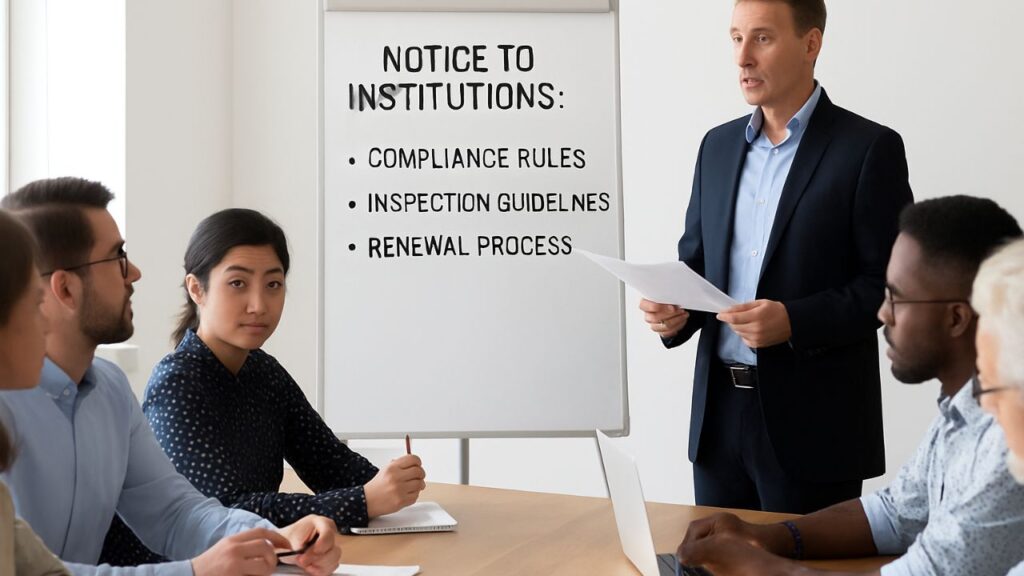
Regular inspections by the Paramedical Council of India or affiliated bodies are a key part of maintaining recognition status. Colleges must ensure compliance with all prescribed norms, including academic schedules, practical training hours, examination systems, and ethical practices. Safety audits, equipment checks, and hygiene inspections are conducted periodically. Institutions should maintain logs of internal audits, student feedback, and grievance redressal mechanisms. Timely submission of annual reports, fee structures, and admission details is crucial for continuous recognition. Non-compliance can lead to penalties, suspension, or withdrawal of approval. Staying proactive in meeting these compliance requirements ensures that colleges not only retain their recognition but also foster a safe, effective, and high-standard learning environment. Maintaining transparency and accountability builds credibility and trust among students, parents, and regulatory authorities, ultimately benefiting the overall paramedical education ecosystem.
Helpful Link : https://cpsigovt.com/affiliation.php
