
Paramedical Council of India – The Paramedical Council of India (PCI) serves as the apex body overseeing the growth, quality, and regulation of paramedical education across the country. Established to ensure professional standards, the Council plays a pivotal role in designing curricula, accrediting institutions, and promoting ethical practices in paramedical courses. With the increasing demand for skilled healthcare professionals, PCI ensures that students across India receive standardized education that meets both national and international healthcare benchmarks. By continuously updating guidelines, introducing modern training techniques, and encouraging research, the Council aims to elevate the paramedical profession, thereby strengthening the overall healthcare infrastructure. Its initiatives also focus on bridging the gap between academic knowledge and practical skills, making graduates job-ready from day one. Furthermore, PCI works closely with government agencies, hospitals, and universities to maintain transparency, efficiency, and accountability, making it a trusted authority in shaping the future of paramedical education in India.
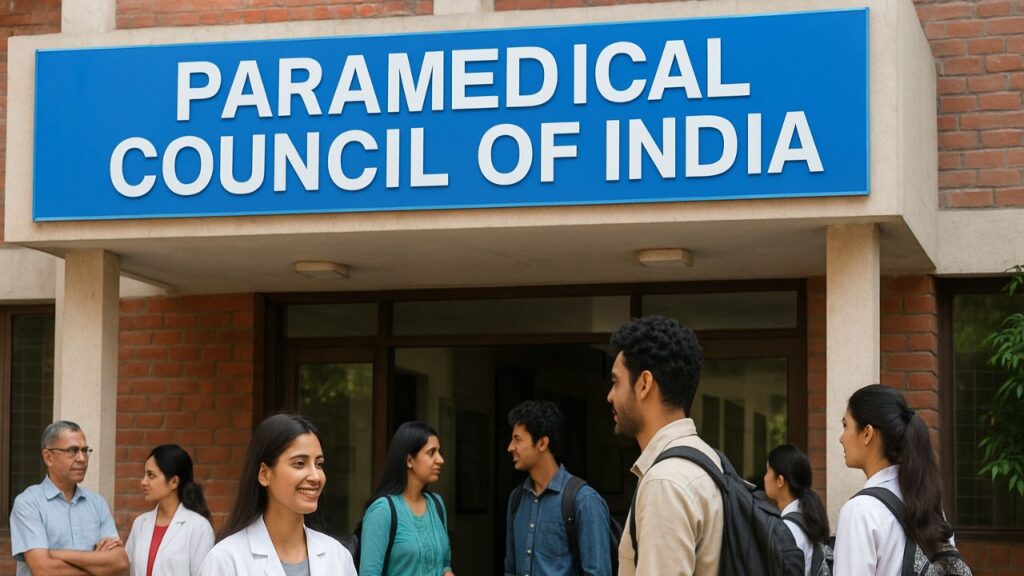
Role of PCI in Standardizing Paramedical Education
The Paramedical Council of India plays an indispensable role in setting uniform standards for paramedical education throughout the country. Its responsibilities include formulating comprehensive course curricula, determining minimum faculty requirements, and establishing guidelines for practical training. By conducting inspections and granting recognition to colleges and training institutes, PCI ensures that every institution maintains high academic standards. Moreover, it evaluates teaching methodologies, laboratory facilities, and clinical exposure to make certain that students are adequately prepared for professional practice. The Council also emphasizes continuous improvement by organizing workshops, faculty training programs, and periodic audits, encouraging institutions to upgrade their infrastructure and teaching methods. This approach not only benefits students by offering a consistent learning experience but also assures healthcare employers that PCI-certified graduates possess the necessary skills and knowledge. In addition, the Council collaborates with state governments to streamline admissions, examinations, and certification processes, creating a standardized educational ecosystem that nurtures competent paramedical professionals across India.
Accreditation and Recognition of Institutions by PCI
Accreditation and recognition by the Paramedical Council of India are essential markers of quality in paramedical education. Institutions seeking PCI recognition must adhere to rigorous standards related to infrastructure, faculty qualifications, student-teacher ratios, and clinical exposure. This process involves detailed inspections, submission of compliance reports, and evaluation of educational outcomes. Recognition ensures that the courses offered are legitimate, well-structured, and aligned with the national healthcare needs. Furthermore, PCI-accredited programs empower students with professional credibility, enabling them to pursue careers in hospitals, diagnostic centers, rehabilitation facilities, and research institutions. The Council also monitors ongoing compliance, requiring colleges to maintain updated laboratories, simulation equipment, and teaching resources. By setting clear benchmarks, PCI not only guarantees quality education but also encourages institutions to adopt best practices, innovative teaching tools, and advanced technologies. Ultimately, this ensures that paramedical graduates are competent, ethical, and ready to meet the growing healthcare demands of the nation.
PCI’s Role in Ethical and Professional Standards
Beyond academics, the Paramedical Council of India prioritizes the cultivation of ethical and professional standards among students. The Council outlines codes of conduct, professional responsibilities, and clinical ethics to guide students during their training and professional practice. Emphasis is placed on patient care, confidentiality, teamwork, and adherence to healthcare protocols. By embedding ethical practices into the curriculum and practical training, PCI ensures that graduates not only possess technical expertise but also demonstrate integrity and accountability. The Council also addresses challenges such as malpractice, unprofessional behavior, and compliance violations through strict monitoring and corrective measures. Regular workshops, seminars, and awareness programs further reinforce the importance of ethical conduct in healthcare settings. By promoting moral responsibility alongside technical skills, PCI contributes to building a workforce that can deliver high-quality, compassionate care, fostering trust among patients and healthcare institutions alike.
Advancing Research and Innovation in Paramedical Fields
The Paramedical Council of India actively encourages research and innovation to strengthen the paramedical sector. Recognizing the need for continuous scientific advancement, PCI facilitates research initiatives, collaboration with universities, and participation in national and international conferences. Students and faculty are motivated to explore emerging trends, technologies, and best practices in diagnostics, rehabilitation, emergency care, and allied health sciences. Grants, workshops, and publication opportunities are offered to stimulate intellectual curiosity and innovative thinking. Additionally, PCI promotes integration of modern tools, simulation-based training, and digital platforms to enhance learning outcomes. By fostering research-oriented education, the Council ensures that paramedical professionals are equipped to tackle evolving healthcare challenges effectively. This focus on innovation not only elevates the standard of paramedical education but also strengthens the healthcare system, providing India with a skilled, forward-thinking workforce capable of delivering cutting-edge medical services.