
Paramedical Programs – Building a career in healthcare offers students an opportunity to contribute to one of the most essential sectors in society, and paramedical programs serve as a vital pathway to achieving this goal. Accredited paramedical courses equip students with specialized knowledge and hands-on skills in fields such as medical laboratory technology, radiology, physiotherapy, and emergency medical care. These programs, offered by council-approved institutions, ensure that students receive training that meets national healthcare standards and prepares them for professional success. By enrolling in such programs, aspiring healthcare professionals gain credibility, access to structured learning, and exposure to real-world clinical practices. Accreditation also assures students and employers that the education provided is of high quality and recognized by regulatory authorities. With the growing demand for healthcare workers worldwide, paramedical education not only creates opportunities for stable employment but also provides a chance to make meaningful contributions to society. For global insights on healthcare education, refer to WHO – Health Workforce.
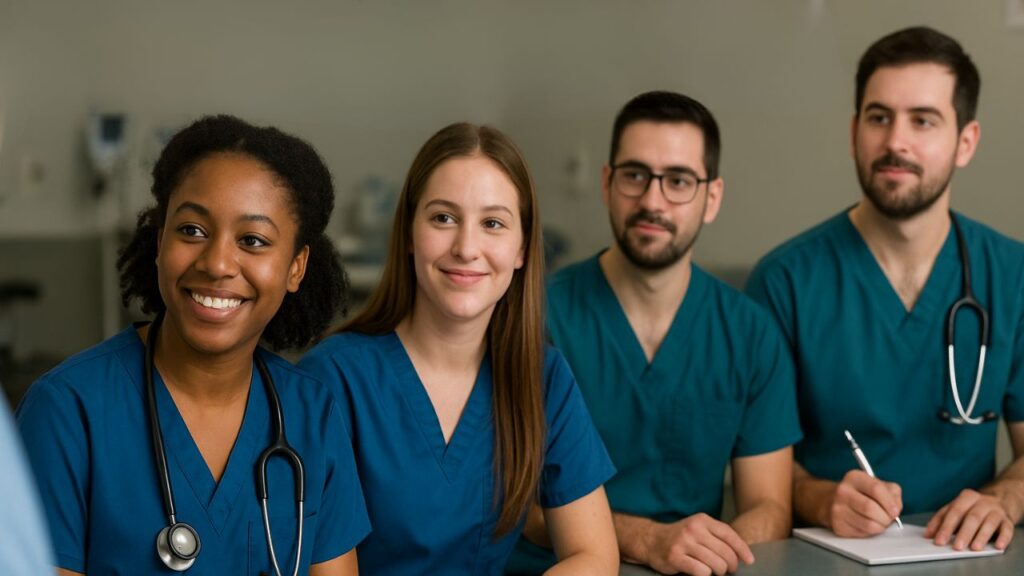

Why Accredited Paramedical Programs Matter
Accreditation plays a critical role in ensuring that paramedical programs meet the standards necessary for producing competent healthcare professionals. Council-approved institutions provide structured curricula that integrate theoretical knowledge with practical training, ensuring students are workplace-ready upon graduation. These programs undergo rigorous evaluation by regulatory bodies to confirm that facilities, faculty, and course design meet industry expectations. Accreditation not only enhances the credibility of the program but also improves student employability, as employers often prioritize graduates from recognized institutions. Furthermore, accredited programs open doors to higher education and international opportunities, as they are aligned with national and global standards. According to National Center for Biotechnology Information, quality assurance in medical education directly impacts the competence of healthcare providers. Enrolling in accredited paramedical programs ensures students receive training that meets these standards, thereby strengthening their career prospects and contributing to better patient care outcomes.
 Get Official Recognition for Your Paramedical Certificate or Diploma – Apply With Confidence
Career Opportunities in the Paramedical Sector
The paramedical sector offers a wide range of career opportunities across hospitals, diagnostic centers, rehabilitation clinics, and emergency services. Graduates of council-approved programs can pursue careers as radiology technicians, physiotherapists, operation theatre technologists, or medical laboratory professionals. With the rising global demand for skilled healthcare workers, paramedical professionals are increasingly sought after both in India and abroad. Specialized fields such as emergency medical services and critical care technology provide essential support in life-saving situations, making these careers highly rewarding. The sector also offers opportunities for entrepreneurship, with trained professionals able to establish diagnostic labs or physiotherapy centers. As highlighted by the U.S. Bureau of Labor Statistics, healthcare occupations are projected to grow faster than other industries, driven by an aging population and the need for specialized care. A career in the paramedical field thus provides stability, growth potential, and the chance to play a critical role in improving public health outcomes.

Skill Development and Practical Training
Practical training is at the heart of paramedical education, enabling students to develop the technical expertise required in clinical environments. Council-approved institutions provide access to modern laboratories, simulation centers, and hospital-based internships that allow learners to gain real-time experience. Skills such as patient care, diagnostic testing, emergency response, and equipment handling are emphasized to ensure graduates are confident and capable in their roles. Workshops, seminars, and training modules further enhance student proficiency, preparing them for the challenges of healthcare practice. Faculty members, often experienced healthcare professionals, mentor students to instill both technical skills and professional ethics. According to PubMed Research, experiential learning and skill-based education significantly improve the readiness of healthcare students to transition into practice. By focusing on hands-on training, paramedical programs ensure that graduates not only possess academic knowledge but also the ability to provide quality patient care from day one of their careers.
 Paramedical Council of India – Regulating and Approving Allied Health Education Across the Nation
Global Relevance and Future Prospects
Paramedical education holds immense global relevance, with healthcare systems worldwide relying on skilled allied health professionals to function effectively. Council-approved paramedical qualifications are recognized in many countries, enabling graduates to explore opportunities abroad and contribute to international healthcare systems. The increasing focus on preventive healthcare, diagnostic services, and rehabilitation has expanded the scope of paramedical roles, making them indispensable in modern medicine. Furthermore, advancements in medical technology continue to create demand for professionals trained in operating sophisticated diagnostic and therapeutic equipment. Graduates also have opportunities to pursue advanced studies, research, and specialization in niche areas of healthcare. According to the World Health Organization, the global health workforce requires millions of additional trained professionals to meet future demands. By choosing accredited paramedical programs, students secure a future-oriented career path that offers both local and international opportunities, contributing significantly to the improvement of global healthcare delivery.
