
Quality Education and Ethical Practice – The Paramedical Council of India (PCI) plays a pivotal role in maintaining high standards of paramedical education and ethical practice across the country. Established with the goal of regulating paramedical courses, the council ensures that every institution offering such programs adheres to strict guidelines related to curriculum, infrastructure, faculty qualifications, and student training. By implementing standardized education frameworks, the PCI guarantees that students acquire the necessary theoretical knowledge and practical skills to serve effectively in healthcare settings. Moreover, the council monitors teaching methodologies, laboratory facilities, and clinical exposure to maintain consistent quality. Apart from overseeing academic standards, the PCI also emphasizes ethical practice, ensuring that future paramedics understand their professional responsibilities. Regular inspections, assessments, and accreditation processes are conducted to enforce compliance with national standards. This holistic approach ensures that paramedical professionals are competent, ethical, and ready to contribute positively to the healthcare sector, safeguarding public health and patient safety across India.
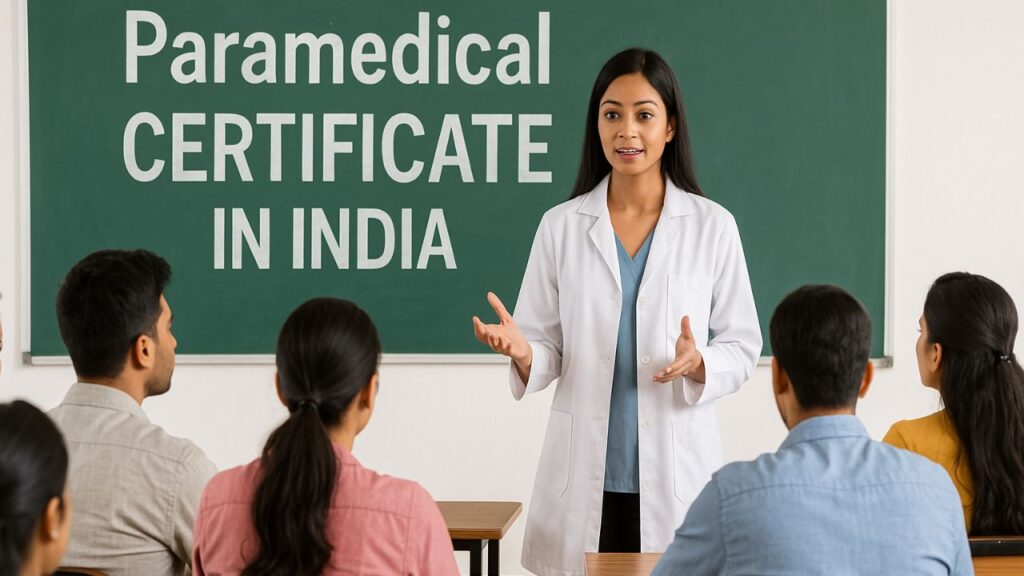
 Everything You Need to Know About Getting a Government-Recognized Paramedical Certificate in India
Standardization of Curriculum and Training Programs
One of the primary responsibilities of the Paramedical Council of India is to develop and enforce standardized curriculum frameworks for all paramedical courses. By creating detailed syllabi that cover essential theoretical concepts, practical skills, and clinical training, the council ensures that every student receives a uniform and comprehensive education. These curriculums are regularly updated to incorporate advancements in medical technology, modern diagnostic techniques, and evolving healthcare practices. Institutions are required to follow strict guidelines regarding course duration, credit allocation, and hands-on training hours. Additionally, the PCI conducts workshops and seminars to help faculty members stay updated with the latest educational methodologies. Through standardized training programs, the council ensures that graduates from different colleges possess comparable skill levels, making them employable across various healthcare settings. This consistency is critical in maintaining the integrity of the paramedical profession and ensures that every practitioner meets the minimum competence required to provide quality patient care.
 Checklist for Paramedical Colleges Seeking Approval or Recognition in 2025–26 Academic Year
Accreditation and Regular Inspections of Institutions
The Paramedical Council of India maintains quality standards not only through curriculum control but also by conducting regular inspections and accreditation of paramedical institutions. Every college seeking recognition must meet strict infrastructure requirements, including modern laboratories, adequate library resources, and well-equipped clinical training facilities. Faculty qualifications are rigorously checked, and teaching methods are assessed to ensure they align with best practices. Periodic inspections and assessments are carried out to verify compliance, with non-compliant institutions being given directives for improvement or facing penalties. Accreditation ensures that students are trained in environments that support learning, practical exposure, and ethical standards. By enforcing stringent guidelines, the council guarantees that institutions do not compromise on quality, ultimately producing competent and well-prepared paramedical professionals. Furthermore, this process instills confidence among students, parents, and healthcare employers regarding the credibility and reliability of the education provided.
Promotion of Ethical Practices and Professional Conduct
Apart from academic quality, the Paramedical Council of India places a strong emphasis on ethical practice and professional conduct. Ethical education is integrated into the curriculum, teaching students about patient confidentiality, informed consent, and the importance of empathy in healthcare. The council organizes seminars, workshops, and training sessions focusing on moral responsibilities, legal obligations, and professional etiquette. By establishing a code of ethics for paramedical practitioners, the PCI ensures that students understand the importance of honesty, integrity, and accountability in patient care. Additionally, disciplinary committees within the council investigate cases of malpractice or professional misconduct, reinforcing the value of ethical behavior. This dual approach of education and monitoring ensures that graduates not only possess technical expertise but also exhibit moral responsibility, creating a trustworthy and professional workforce that upholds the dignity of the paramedical profession.

Continuous Professional Development and Skill Enhancement
To maintain excellence in the paramedical sector, the Paramedical Council of India encourages continuous professional development (CPD) and skill enhancement for both students and practicing professionals. The council mandates periodic refresher courses, advanced training workshops, and certification programs to ensure that paramedics stay updated with the latest technologies and treatment protocols. By promoting lifelong learning, the PCI helps practitioners improve their diagnostic and therapeutic skills, adapt to new medical equipment, and incorporate evidence-based practices into patient care. This focus on continuous improvement not only enhances individual capabilities but also elevates the overall standard of healthcare services across the country. In addition, the council collaborates with hospitals, research institutes, and international organizations to facilitate exposure to global best practices, thereby expanding the professional competence of paramedics. Such initiatives strengthen the healthcare system, ensuring that paramedical professionals remain competent, ethical, and capable of addressing the dynamic needs of modern medicine.
