
Rules for Institutions – Institutions play a vital role in shaping the educational landscape and ensuring quality standards across sectors. To maintain excellence and accountability, regulatory authorities issue notices that outline compliance rules, inspection procedures, and renewal requirements. These notices are crucial for institutions as they help align operations with legal frameworks, guarantee safety, and enhance the credibility of the organization. Compliance rules generally cover infrastructure standards, faculty qualifications, student welfare, record-keeping, and reporting protocols. Adhering to these rules not only prevents legal complications but also fosters a culture of transparency and professional integrity. Inspections, conducted periodically by authorized officers, evaluate whether institutions meet the prescribed standards. These inspections assess facilities, teaching methodologies, administrative practices, and adherence to safety norms. Additionally, institutions are required to submit renewal applications within specified timelines, ensuring their continued recognition and operational legitimacy. Following these guidelines systematically ensures that institutions remain compliant and capable of delivering high-quality educational services to their stakeholders.

Compliance Rules for Institutions
Compliance rules serve as the backbone of institutional governance, outlining mandatory requirements for operational legitimacy. These rules typically encompass infrastructure standards, including classrooms, laboratories, libraries, and other essential facilities. They also define faculty qualifications, student-teacher ratios, and the need for continuous professional development programs for staff. Financial transparency is another key aspect, requiring institutions to maintain accurate records of receipts, expenditures, and funding allocations. Student welfare measures, such as safety protocols, counseling services, and grievance redressal mechanisms, are also emphasized. Compliance rules are periodically updated to reflect evolving educational standards, technological advancements, and government regulations. Institutions are expected to familiarize themselves with these updates and implement necessary changes promptly. Failure to comply with these rules can result in penalties, suspension of recognition, or legal action. Therefore, a robust compliance framework ensures smooth operations, accountability, and trust among students, parents, and regulatory authorities.

Inspection Guidelines and Procedures
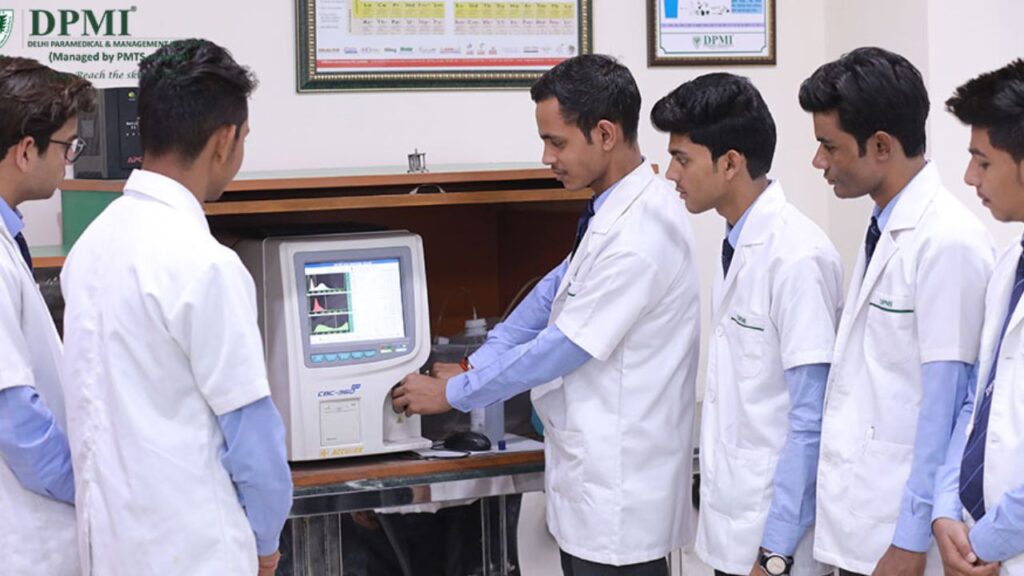
Institutional inspections are conducted by authorized officials to verify adherence to prescribed rules and standards. These inspections involve a thorough examination of physical infrastructure, teaching facilities, administrative processes, and documentation. Inspectors assess the adequacy of classrooms, laboratories, libraries, hostels, and other essential resources. They also review faculty credentials, teaching methodologies, and the implementation of curricula. Student welfare measures, including safety, healthcare, and grievance handling, are evaluated to ensure a supportive learning environment. Institutions are usually informed in advance about inspection schedules and are required to maintain updated records for review. Detailed inspection reports are prepared, highlighting areas of compliance and those requiring improvement. Institutions are expected to act on the recommendations provided within stipulated timelines. Effective inspections not only ensure compliance but also identify opportunities for institutional improvement, enabling better educational outcomes and increased trust among stakeholders.
 List of Paramedical Institutes Recognised by the Paramedical Council of India – Updated for 2025
Renewal Process and Requirements
Institutional recognition is typically granted for a fixed period, after which a renewal process must be undertaken to continue operations legally. Renewal applications require submission of updated documents, including faculty qualifications, infrastructure reports, financial statements, and student records. Institutions must demonstrate consistent compliance with previously established rules and provide evidence of corrective measures for any deficiencies noted during inspections. Renewal authorities may conduct additional inspections to verify the accuracy of submitted information. Timely submission of renewal applications is crucial, as delays can lead to suspension of recognition, affecting student admissions and academic activities. The renewal process encourages institutions to maintain high standards continuously, rather than relying solely on initial recognition. A well-managed renewal ensures uninterrupted operations and strengthens the institution’s credibility with regulators, students, and the wider community.

Importance of Following Compliance and Renewal Guidelines
Adhering to compliance rules, inspection procedures, and renewal protocols is essential for the long-term success and reputation of an institution. Proper compliance ensures legal protection, operational efficiency, and a safe learning environment for students. Regular inspections provide valuable feedback for improvement, helping institutions maintain quality standards and adopt best practices. Following renewal guidelines ensures continuity of recognition, preventing administrative disruptions and maintaining stakeholder confidence. Institutions that actively embrace these guidelines demonstrate their commitment to excellence, accountability, and transparency. Moreover, compliance fosters a positive public image, attracting better faculty, increased student admissions, and potential funding opportunities. Ultimately, a systematic approach to compliance, inspection, and renewal strengthens the institution’s foundation, enabling it to achieve educational objectives while maintaining credibility and trust within the academic ecosystem.
