
Skilled Healthcare Workforce – The Paramedical Council of India (PCI) plays a pivotal role in shaping the future of healthcare by ensuring the availability of a highly skilled and competent paramedical workforce. In today’s fast-evolving medical landscape, paramedical professionals such as radiographers, lab technicians, physiotherapists, and emergency care specialists are critical to the effective functioning of healthcare systems across the country. The council’s vision focuses on setting high standards for education, training, and professional ethics while fostering an environment where continuous learning and skill enhancement are prioritized. By maintaining rigorous accreditation processes for educational institutions and certification programs, the PCI ensures that paramedical students receive comprehensive practical and theoretical knowledge. The mission of the council is not only to regulate the paramedical profession but also to facilitate the creation of a workforce capable of meeting national and global healthcare demands. Through structured policies, monitoring, and awareness programs, the PCI aims to bridge the gap between healthcare needs and skilled manpower availability, ultimately contributing to improved patient outcomes and public health standards across India.
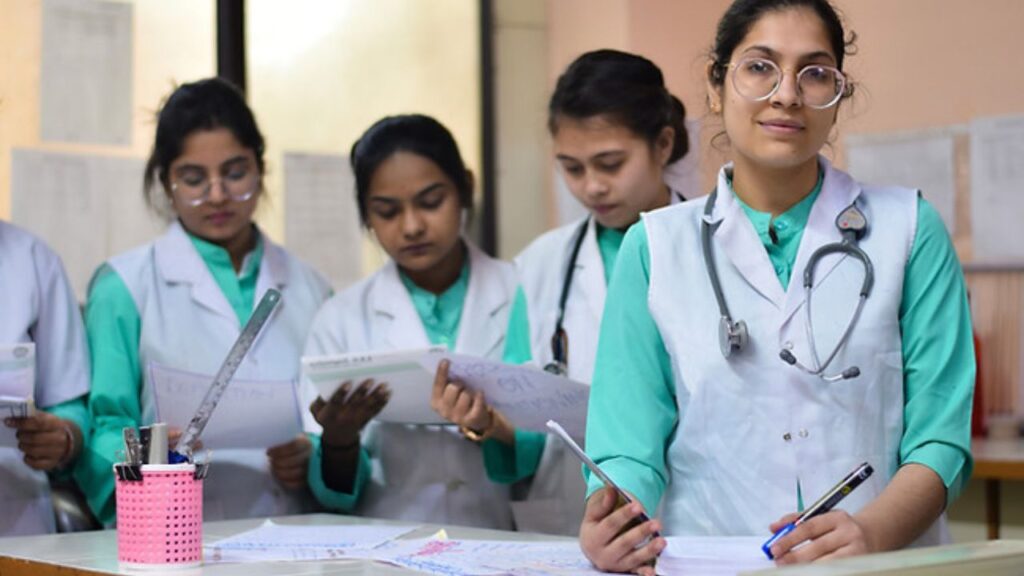

Vision of the Paramedical Council of India
The vision of the Paramedical Council of India is centered on the creation of a professional workforce that is competent, ethical, and responsive to the evolving demands of the healthcare sector. This vision emphasizes standardization in education and practice, ensuring that paramedical professionals adhere to uniform guidelines and maintain the highest standards of patient care. The council envisions a system where students across India, regardless of geographical location, have access to quality education and training facilities that equip them with advanced technical skills and practical knowledge. By promoting research, innovation, and continuous professional development, the PCI aims to foster an adaptive and resilient workforce that can respond to emerging healthcare challenges, such as pandemics, technological advancements, and increasing patient loads. The council also prioritizes ethical practice, ensuring that paramedical professionals understand the responsibilities of patient confidentiality, professional conduct, and compassionate care. Through this vision, the PCI seeks to contribute to the overall improvement of healthcare delivery and strengthen India’s capacity to meet both domestic and international healthcare workforce demands.
 Everything You Need to Know About Getting a Government-Recognized Paramedical Certificate in India
Mission of the Paramedical Council of India
The mission of the Paramedical Council of India focuses on regulating, promoting, and monitoring paramedical education and practice to ensure a high-quality healthcare workforce. It seeks to standardize curricula, training methods, and certification procedures across all recognized paramedical courses. By collaborating with educational institutions, government agencies, and healthcare organizations, the PCI aims to implement programs that enhance skill development, practical exposure, and research opportunities for students. The council also emphasizes the importance of accreditation, inspections, and audits to maintain the quality of education and training in the paramedical sector. Furthermore, the PCI’s mission includes raising awareness about the significance of paramedical professionals within the healthcare ecosystem, thereby attracting talented individuals to the profession. By ensuring adherence to ethical standards, promoting lifelong learning, and facilitating professional growth, the PCI works to build a workforce capable of delivering high-quality healthcare services. Ultimately, the council’s mission is to align the capabilities of paramedical professionals with the healthcare needs of the nation, ensuring both efficiency and patient safety in medical care.
 Checklist for Paramedical Colleges Seeking Approval or Recognition in 2025–26 Academic Year
Role in Education and Skill Development
The Paramedical Council of India plays a crucial role in shaping paramedical education and fostering skill development through well-defined frameworks and standards. The council sets clear guidelines for curriculum design, incorporating theoretical knowledge with hands-on practical training to prepare students for real-world healthcare challenges. Institutions accredited by the PCI are expected to provide state-of-the-art laboratories, modern medical equipment, and exposure to clinical environments to enhance learning experiences. Regular workshops, seminars, and continuing education programs organized under the council’s supervision help professionals stay updated with the latest advancements in healthcare technology and medical practices. Additionally, the council promotes research initiatives that encourage innovation and evidence-based practice among paramedical students. By nurturing technical proficiency, critical thinking, and ethical decision-making, the PCI ensures that graduates are not only competent in their respective domains but also capable of contributing to overall improvements in healthcare services. This systematic approach strengthens the quality of healthcare delivery, reduces errors, and enhances patient trust in paramedical services.
Regulatory Functions and Professional Standards
Apart from education, the Paramedical Council of India is responsible for maintaining high professional standards and regulating paramedical practice nationwide. This includes developing comprehensive codes of conduct, monitoring adherence to ethical guidelines, and addressing complaints related to professional misconduct. The council also ensures that paramedical institutions comply with national regulations and accreditation requirements, conducting periodic inspections and assessments. By setting benchmarks for examination, certification, and licensing, the PCI guarantees that only qualified professionals enter the workforce. Additionally, the council encourages continuous professional development through refresher courses, specialized training, and exposure to advanced technologies. This regulatory framework protects patient safety, enhances service quality, and reinforces public confidence in paramedical professionals. Through strict enforcement of standards and a commitment to professional excellence, the PCI not only regulates but also empowers paramedical professionals to uphold the integrity and effectiveness of India’s healthcare system, contributing to better health outcomes and a more robust national medical infrastructure.
