
Top Paramedical Courses – Paramedical courses have emerged as a popular career choice among students who wish to enter the healthcare sector without pursuing traditional medical degrees. These courses offer specialized training in various healthcare fields such as medical laboratory technology, physiotherapy, radiology, and emergency care. Both 10th and 12th pass students can explore a variety of options based on their academic qualifications and career goals. Diploma programs are often short-term, ranging from six months to two years, providing practical skills and knowledge to work in hospitals, clinics, or diagnostic centers. Degree programs, on the other hand, are more comprehensive, typically lasting three to four years and focusing on in-depth theoretical knowledge alongside practical training. Certificate courses are short-duration programs that provide specific skill sets, making students job-ready in a shorter period. With the growing demand for healthcare professionals, paramedical courses offer not only career stability but also opportunities for further education and specialization, ensuring long-term growth and success in the medical sector.
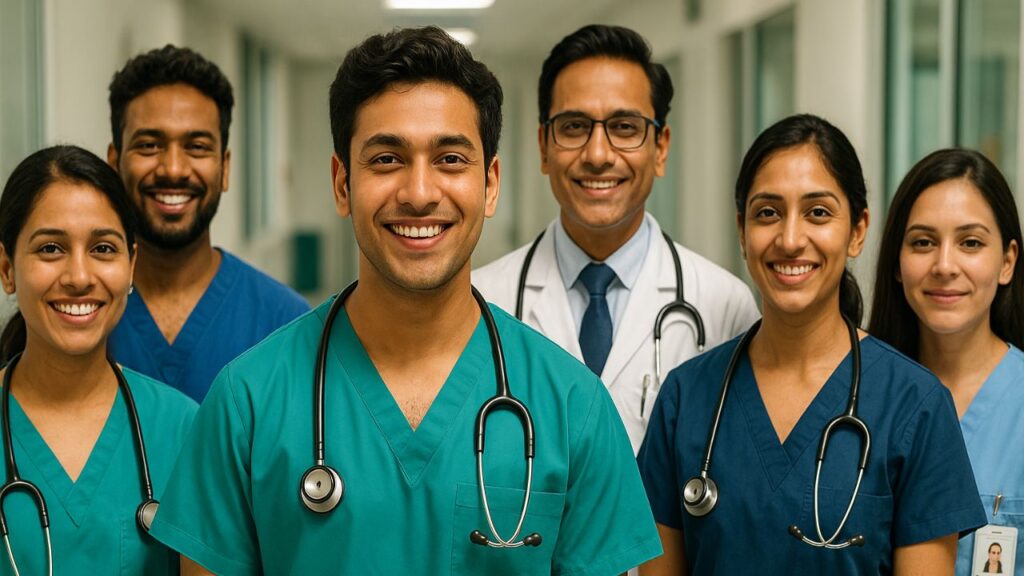
 Building a Skilled Healthcare Workforce – Vision and Mission of the Paramedical Council of India
Diploma Courses in Paramedical Studies
Diploma courses are ideal for students who have recently completed their 10th or 12th grade and wish to start their careers in the healthcare field quickly. These programs focus on providing hands-on experience in specialized areas such as medical laboratory technology, X-ray technology, and physiotherapy assistance. A diploma in medical laboratory technology equips students with knowledge of sample collection, testing procedures, and diagnostic equipment handling. Similarly, a diploma in radiology trains students in imaging techniques, patient care during procedures, and radiation safety measures. Most diploma programs last between one to two years, allowing students to enter the workforce promptly. These courses often include practical training sessions, workshops, and internships in hospitals or diagnostic centers, ensuring that students gain real-world experience. After completing a diploma, students can work as lab technicians, radiology assistants, physiotherapy aides, or medical transcriptionists. Moreover, diploma holders can later pursue degree programs to advance their careers or specialize in niche areas within the paramedical domain.

Degree Courses for Advanced Paramedical Training
Degree courses in paramedical sciences offer in-depth education for students who have completed their 12th grade with science subjects like biology, physics, and chemistry. These programs typically span three to four years and combine theoretical knowledge with extensive practical exposure. Popular degree courses include Bachelor of Science (B.Sc.) in Medical Laboratory Technology, Radiology, Occupational Therapy, and Nursing. Degree programs provide a strong foundation in human anatomy, physiology, biochemistry, and healthcare management. Students are also trained in modern medical technologies, diagnostic equipment, and patient care protocols. Graduates of degree programs have higher job prospects in hospitals, research laboratories, and healthcare institutions, often receiving better salaries compared to diploma holders. Additionally, pursuing a degree opens opportunities for higher education, such as postgraduate studies and specialized certifications, which can lead to careers in medical research, clinical management, or advanced paramedical roles. Degree courses are especially beneficial for students seeking a comprehensive understanding of healthcare systems and long-term career growth in the medical field.
 Everything You Need to Know About Getting a Government-Recognized Paramedical Certificate in India
Certificate Courses for Quick Skill Development
Certificate courses in the paramedical sector are short-term programs designed to develop specific skills and make students job-ready in a shorter time frame. These courses usually last from a few months to one year and are suitable for both 10th and 12th pass students. Certificate programs focus on practical aspects of healthcare, such as basic life support, emergency medical technician training, phlebotomy, and patient care assistance. Students enrolled in certificate courses gain hands-on experience through workshops, simulations, and practical sessions in hospitals or clinics. The primary advantage of certificate courses is their flexibility and quick completion time, enabling students to start their careers immediately. After completing a certificate program, students can work as medical assistants, laboratory helpers, emergency care technicians, or pharmacy assistants. Certificate courses also serve as a stepping stone for pursuing diploma or degree programs in specialized paramedical fields. These programs are highly beneficial for students aiming to enter the healthcare workforce rapidly while acquiring practical skills that are in demand across hospitals and diagnostic centers.
 Checklist for Paramedical Colleges Seeking Approval or Recognition in 2025–26 Academic Year
Career Opportunities and Future Prospects
Completing paramedical courses opens numerous career opportunities in hospitals, diagnostic centers, clinics, and research laboratories. Diploma, degree, and certificate holders can work in roles such as lab technicians, radiology assistants, physiotherapy aides, emergency care technicians, and medical transcriptionists. With the growing healthcare industry, there is a consistent demand for skilled paramedical professionals, both in India and abroad. Paramedical professionals also have the option to specialize further in areas like cardiology, orthopedics, neurology, or radiology through advanced certifications or postgraduate studies. Salaries vary depending on qualifications, experience, and specialization, with degree holders generally earning higher pay. Additionally, paramedical professionals can explore teaching, research, or healthcare administration roles, expanding their career scope. With technological advancements and the rise of telemedicine and diagnostic centers, paramedical professionals are becoming an integral part of modern healthcare systems. Students who choose paramedical courses not only secure a stable career but also contribute significantly to patient care and overall public health.
